Planning Authority Expertise: Site Design and Rezoning Services
Land planning bodies are vital in handling the complexities of land use and development. They oversee rezoning applications and make certain site designs conform to community standards and regulations. Their efforts balance economic interests with environmental considerations. As communities develop, the consequences of rezoning become progressively significant. The following sections will explore the intricacies of these processes and their impact on urban landscapes.
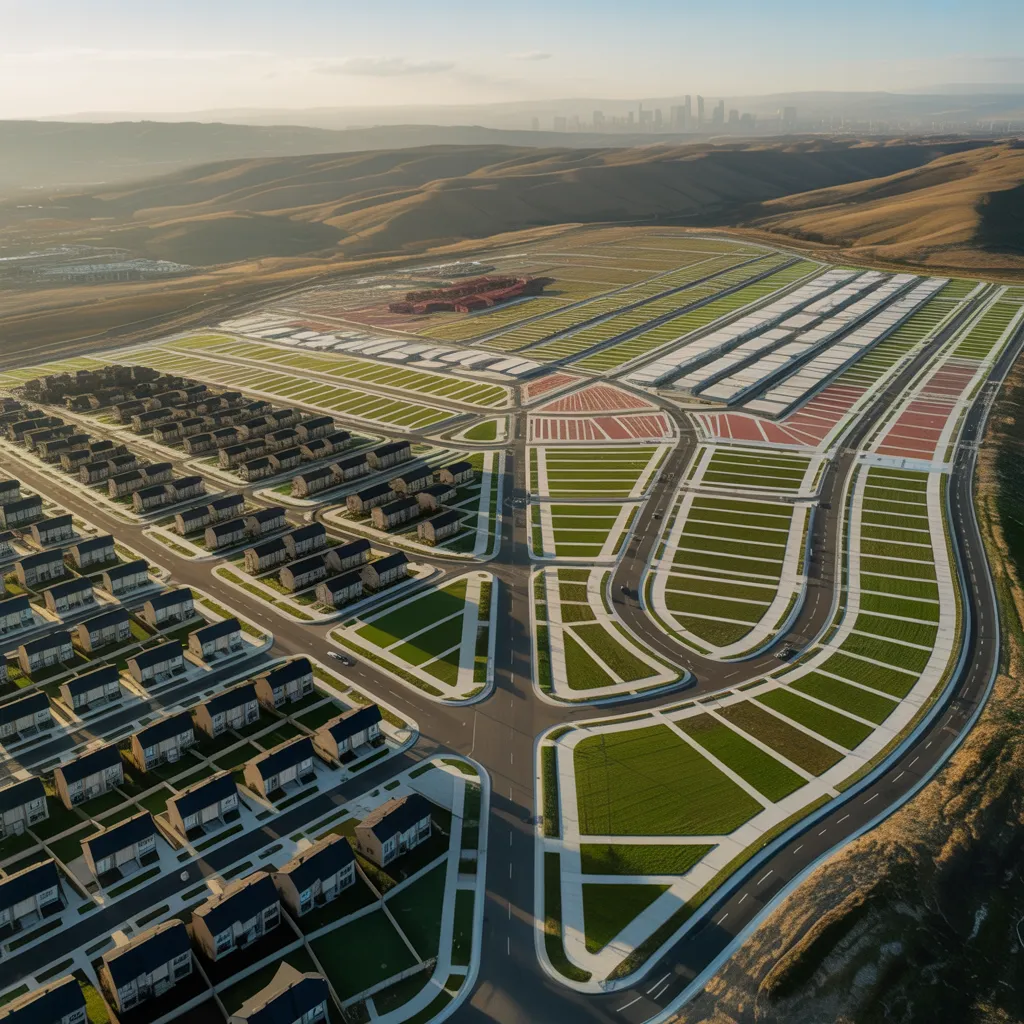
What Land Planning Authorities Really Do
Although land planning agencies may diverge in structure and function, their main role centers on managing and regulating land use to ensure sustainable development. These organizations assess and approve land development proposals, maintaining compliance with zoning laws and environmental regulations. They promote public participation, enabling community members to articulate concerns and contribute to development planning.
Land planning agencies also carry out comprehensive land-use planning, developing frameworks that direct future development while equilibrating economic growth, environmental protection, and social equity. They examine data on demographics, infrastructure, and environmental impacts to make informed decisions. Furthermore, these authorities enforce land use regulations, monitor ongoing projects, and conduct inspections to verify adherence to approved plans.
The Rezoning Process: Key Steps Explained
How does the rezoning process unfold? First, a property owner or developer submits a rezoning application to the local land planning authority, detailing the intended use of the land. This application usually includes essential documents such as site plans and impact evaluations. Upon submission, the authority examines the proposal for compliance with existing zoning regulations and comprehensive plans.
Following this, the authority conducts public hearings, permitting community members to voice their views on the proposed changes. Feedback from these hearings is essential in assessing community impact and addressing concerns. After examining public input, the planning authority prepares a recommendation grounded in the merits of the application.
Ultimately, the municipal governing entity, for example a city council, makes a decision on the application. When approved, the zoning map is formally updated, permitting the property to be developed in line with the new use. This organized method ensures openness and community participation throughout the progression.
The Effect of Rezoning on Site Design
Zoning changes greatly influence site design, as adjustments in land use regulations can dictate the layout, infrastructure, and overall aesthetics of a development. Shifts in zoning classifications often require changes to building heights, densities, and setbacks, immediately affecting how a site is organized. For instance, a shift from residential to commercial zoning often leads to the incorporation of parking facilities, pedestrian pathways, and retail spaces, reconfiguring the overall site layout.
In addition, rezoning can demand the installation of designated utilities and services, such as water, sewage, and drainage systems, suited to the new land use. The visual character of a development may also shift, shaped by design guidelines linked to the new zoning regulations. Ultimately, effective site design must adapt to these changes, providing functionality and compliance while enhancing the surrounding environment. This interaction between rezoning and site design is critical for achieving sustainable and well-integrated urban spaces.
Adherence to Zoning Laws in Land Planning
Zoning law compliance in land planning is necessary for ensuring that developments match with established regulations and community targets. These ordinances govern land use, density, and building standards, supplying a framework that steers development in a fashion that benefits both municipal concerns and residents' necessities. Observing zoning guidelines helps forestall tensions between diverse land uses, such as residential and commercial, which could compromise community unity.
Moreover, compliance facilitates the streamlined review and approval process for new developments. Developers are mandated to submit plans that demonstrate compliance to zoning codes, which often include detailed guidelines regarding setbacks, height limitations, and landscaping. Failure to comply can result in delays, fines, or project rejections. Consequently, understanding and integrating zoning laws into the planning process is vital for achieving successful, sustainable development that meets the expectations of local stakeholders while minimizing possible legal challenges.
Green Methods in Land Development
Environmentally responsible methods in land development emphasize the significance of green building materials and green infrastructure solutions. These strategies not only reduce environmental impact but also foster community engagement initiatives that incorporate local stakeholders. By combining these elements, developers can establish improved and more resilient urban environments.
Environmentally Friendly Building Materials
As demand increases for sustainable construction approaches, the use of eco-friendly building materials has become a critical component in land development. These materials, which include recycled metal, reclaimed wood, and paints with low VOC levels, contribute to reducing the ecological footprint of new buildings. By focusing on renewable resources and sustainable production methods, developers can decrease waste and energy consumption throughout the construction process. Additionally, eco-friendly materials often boost indoor air quality and overall occupant health. The integration of such materials not only complies with current environmental regulations but also attracts increasingly conscious consumers. As a result, embracing eco-friendly building materials signifies a commitment to sustainable practices that support both community resilience and environmental stewardship.
Sustainable Infrastructure Solutions
As urbanization continues to expand, the integration of green infrastructure solutions has become crucial for fostering environmentally sustainable communities. These solutions include a range of practices, like green roofs, permeable pavements, and rain gardens, which effectively manage stormwater, reduce urban heat, and enhance biodiversity. By embedding natural systems into urban planning, communities can reduce the adverse effects of climate change while promoting environmental stewardship. Moreover, green infrastructure leads to improved air quality, increased recreational spaces, and greater aesthetic value in urban areas. As cities face escalating challenges connected to population growth and environmental degradation, the adoption of these sustainable practices is essential for creating more livable and healthier urban environments, consequently supporting long-term community resilience.
Strategies for Community Engagement
Implementing green infrastructure solutions into urban planning paves the way for enhanced community engagement strategies in land development. By incorporating sustainable practices, planners can cultivate collaborative environments where community members actively take part in decision-making processes. Techniques such as workshops, public forums, and interactive online platforms permit stakeholders to voice their concerns and contribute ideas. Furthermore, visual aids, like 3D models and simulations, can help residents better understand proposed developments. Involving the community in discussions about green spaces, transportation, and resource management encourages a sense of ownership and accountability. Ultimately, these strategies not only strengthen citizens but also increase the effectiveness of land make a move planning initiatives, ensuring that developments match community values and aspirations.
The Evolution of Land Planning: Current Trends and Innovations
The future of land planning is poised to be transformed by emerging trends and technological innovations that emphasize sustainability and community engagement. City planners are progressively implementing smart city technologies, employing data analytics to inform decisions and enhance efficiency. Geographic Information Systems (GIS) play an essential role in displaying geographic connections, facilitating better-informed planning processes.
Additionally, the integration of green infrastructure fosters environmental resilience, while mixed-use developments cultivate vibrant communities. Methods such as participatory planning guarantee that residents' voices are heard, improving social equity and cohesion.
Additionally, remote sensing and drone technology supply real-time data for tracking land use changes and assessing environmental impacts. As urbanization steadily increases, transformation of existing structures and a focus on walkable neighborhoods will shape future developments. Combined, these innovations indicate a shift towards greater sustainable, inclusive, and responsive land planning practices, establishing resilient urban environments.
Frequently Asked Questions
What Are the Costs Associated With Rezoning Applications?
The costs associated with rezoning applications typically include application charges, legal fees, consulting costs, and prospective expenditures for public notices or hearings. Further costs might stem from required studies or assessments during the review process.
How Much Time Does the Complete Rezoning Process Usually Take?
The entire rezoning process normally takes several months to over a year, based on factors including local requirements, the nature of the application, public meetings, and likely appeals from various stakeholders involved in the process.
Can Local Residents Participate in the Rezoning Process?
Indeed, residents have the opportunity to participate in the rezoning process. They can usually attend public hearings, offer feedback, and submit comments, making sure their perspectives are heard on proposed changes that might affect their communities and neighborhoods.
What Takes Place if a Rezoning Proposal Is Turned Down?
Should a rezoning application be rejected, the applicant may revise and resubmit the proposal, seek alternative solutions, or appeal the decision, usually requiring further consultations or modifications to tackle the concerns identified during the review process.
Are There Any Appeal Options for Zoning Decisions?
Yes, there are appeal options for zoning decisions. Affected parties may typically appeal a denial through judicial review or administrative appeals, subject to local regulations and procedures, enabling the initial decision to be reconsidered.